
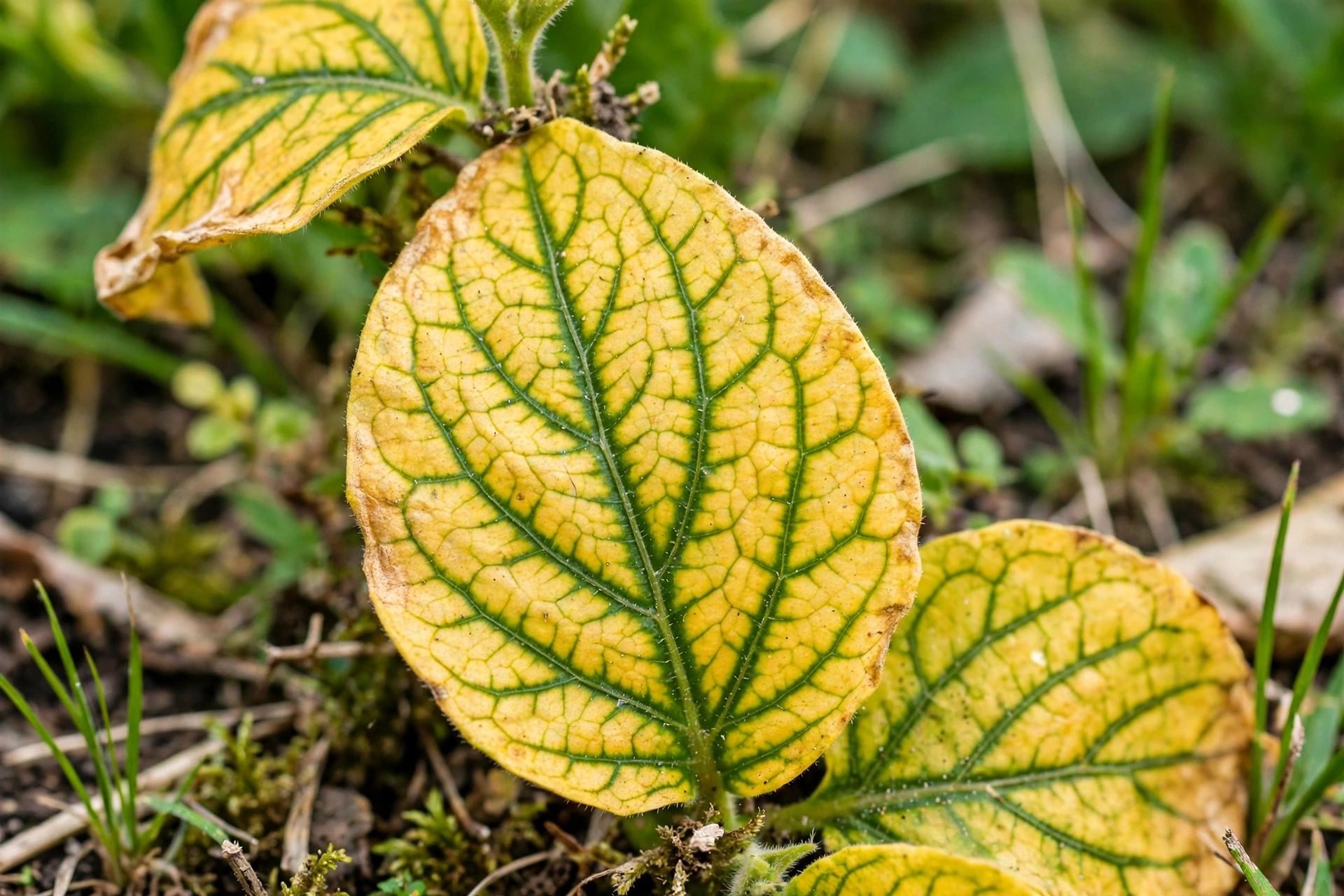
Yellow leaves are one of the most common — and most confusing — plant problems. The same yellow leaf can mean too much water, too little water, a nutrient shortage, too much sun, cold damage, pests, or disease. No wonder so many gardeners reach for fertiliser or extra water and make things worse.
The good news is that yellowing leaves usually follow a pattern, and that pattern is the clue. Where the yellowing starts, how it spreads, and what else is happening on the plant will point you towards the real cause. This guide will help you read those clues and fix the right problem.
Why Leaves Turn Yellow
Leaves are green because of chlorophyll, the pigment that powers photosynthesis. When a plant is stressed, short of nutrients, or attacked, chlorophyll breaks down faster than it can be replaced, and yellow shows through. The plant may also deliberately shed older leaves to save resources, which is normal in small amounts.
The key question is not just "why yellow?" but "which leaves, how fast, and what else has changed?" Answer that, and the diagnosis becomes much clearer.
Step-by-Step Diagnosis
Step 1: Look at which leaves are yellow
Older, lower leaves yellowing first often points to nitrogen deficiency or natural ageing. Young, new leaves yellowing first, especially between the veins, often points to iron deficiency or overwatering. Yellowing all over, quickly, suggests a sudden stress such as drought, cold, or root damage.
Step 2: Look at the pattern on the leaf
Yellowing between the veins while the veins stay green is called interveinal chlorosis and is often linked to iron, magnesium, or manganese shortage, especially in alkaline soil. Yellow edges or margins can suggest potassium deficiency, salt damage, or sunscorch. Yellow spots or blotches may point to disease or pest damage.
Step 3: Check the soil and watering
Push a finger two to three centimetres into the soil. Is it soggy, dry, or just moist? Overwatering is the most common cause of yellow leaves on houseplants — roots suffocate, cannot take up nutrients, and leaves yellow and drop. Underwatering causes dry, crispy yellow or brown leaves, often starting at the edges.
Step 4: Check light, temperature, and recent changes
Has the plant been moved, repotted, exposed to a cold draught, or placed in direct sun after shade? Sudden changes often cause a flush of yellow leaves. Most houseplants prefer bright, indirect light and stable temperatures.
Step 5: Check for pests and disease
Look closely under leaves and along stems for aphids, spider mites, scale, or whitefly. Fine webbing, sticky residue, tiny dots, or distorted growth are warning signs. Also look for spots, mould, or a foul smell from the soil, which can indicate root rot.
Common Causes and Fixes
- Overwatering: Let the top soil dry out, improve drainage, empty saucers, and repot in fresh mix if roots are dark and mushy.
- Underwatering: Water thoroughly until it drains from the bottom, then water again only when the top soil is dry. Trim fully dead leaves.
- Nitrogen deficiency: Older leaves turn pale yellow overall. Feed with a balanced fertiliser and add compost or well-rotted manure for outdoor plants.
- Iron deficiency: New leaves yellow between green veins. Often worse in alkaline soil. Use an iron supplement or acid-loving plant feed, and check soil pH.
- Natural ageing: One or two old leaves yellowing at a time on an otherwise healthy plant is normal. Remove them gently.
Common Mistakes
- Watering on a fixed schedule. Plants need water when the soil is dry, not every Tuesday. Check the soil every time.
- Removing all yellow leaves at once. A few yellow leaves are a symptom, not the disease. Removing them all can stress the plant further.
- Ignoring the roots. If leaves keep yellowing despite correct watering, lift the plant and check the roots — dark, soft, smelly roots mean rot.
- Using softened water. Salt from water softeners can build up in soil and cause yellow, burnt leaf edges. Use rainwater or tap water left to stand if possible.
Yellow Leaves on Houseplants vs Garden Plants
Yellow leaves mean slightly different things indoors and outdoors, because the causes differ. On houseplants, overwatering is by far the most common cause: pots with no drainage, saucers left full of water, and watering on a fixed schedule all suffocate roots. Low light is the second most common cause indoors — a plant in a dark corner cannot photosynthesise enough to keep all its leaves green, so it sheds the oldest ones first. Outdoors, the causes are more varied: nutrient deficiency in poor soil, waterlogging after heavy rain, drought in a dry summer, cold damage after a late frost, and disease. That is why the same yellow leaf needs a different check indoors and outdoors: indoors, check the soil and the light first; outdoors, check the soil, the weather, and whether nearby plants show the same pattern. A single yellow leaf on an otherwise healthy plant is normal in both settings — it is a pattern of yellowing, or rapid yellowing across the plant, that deserves investigation.
Feeding Correctly: When Fertiliser Helps and When It Hurts
Fertiliser is often the first thing people reach for when leaves turn yellow, but it only helps if the cause is a nutrient shortage — and it can hurt if the cause is anything else. Feeding a plant with rotted roots, or a plant that is wilting from drought, can burn the roots and make the problem worse. Feed only when you have a clear reason: the pattern points to a deficiency, the plant is actively growing, and the soil and watering are already correct. Use a balanced fertiliser at the strength on the label, never stronger, and feed in spring and summer, not in winter when growth is slow. For iron deficiency, an iron supplement or a feed for acid-loving plants may help, but first check the soil pH: in alkaline soil, iron is present but unavailable to the plant, so adding more iron without addressing the pH will not fix the yellowing. Compost and well-rotted manure are gentler than chemical fertiliser for outdoor plants, because they feed the soil slowly and improve its structure at the same time.
FAQ
Why are my plant's lower leaves turning yellow? This is often natural ageing or nitrogen deficiency, where the plant moves nutrients from old leaves to new growth. If it is only one or two leaves and the plant looks healthy otherwise, it is usually normal.
Can yellow leaves turn green again? Usually not. Once chlorophyll is lost, that leaf rarely recovers fully. Focus on keeping new growth healthy — that is the real sign of recovery.
Is overwatering or underwatering more common? For houseplants, overwatering is more common and more damaging. It suffocates roots and invites rot. Always check soil moisture before watering.
Why are my plant's leaves yellow with green veins? That pattern, called interveinal chlorosis, often points to iron, magnesium, or manganese deficiency, especially in alkaline soil. Check the soil pH, and use an appropriate supplement or feed for acid-loving plants if needed.
Should I cut off yellow leaves? Remove yellow leaves that are fully dead or unsightly, but leave leaves that are only partly yellow if the plant needs them for photosynthesis. Focus on fixing the cause — the new growth will tell you whether you have succeeded.
Conclusion
Yellow leaves are a message, not a verdict. Read the pattern — which leaves, where on the leaf, how fast, and what has changed — and you will usually find a simple, fixable cause. Water correctly, give the right light, feed only when needed, and check for pests and root problems. Most plants will reward that attention with fresh, green growth within a few weeks.
Try it: Try the free Plant Disease Identifier on aitreeidentier.site — upload a clear photo of the affected leaves or bark for instant guidance.
Safety disclaimer: Never eat or use a plant, or treat a suspected disease, based on AI identification alone. AI results are guidance only — consult a local expert before applying treatments, especially on food plants or near children and pets.