
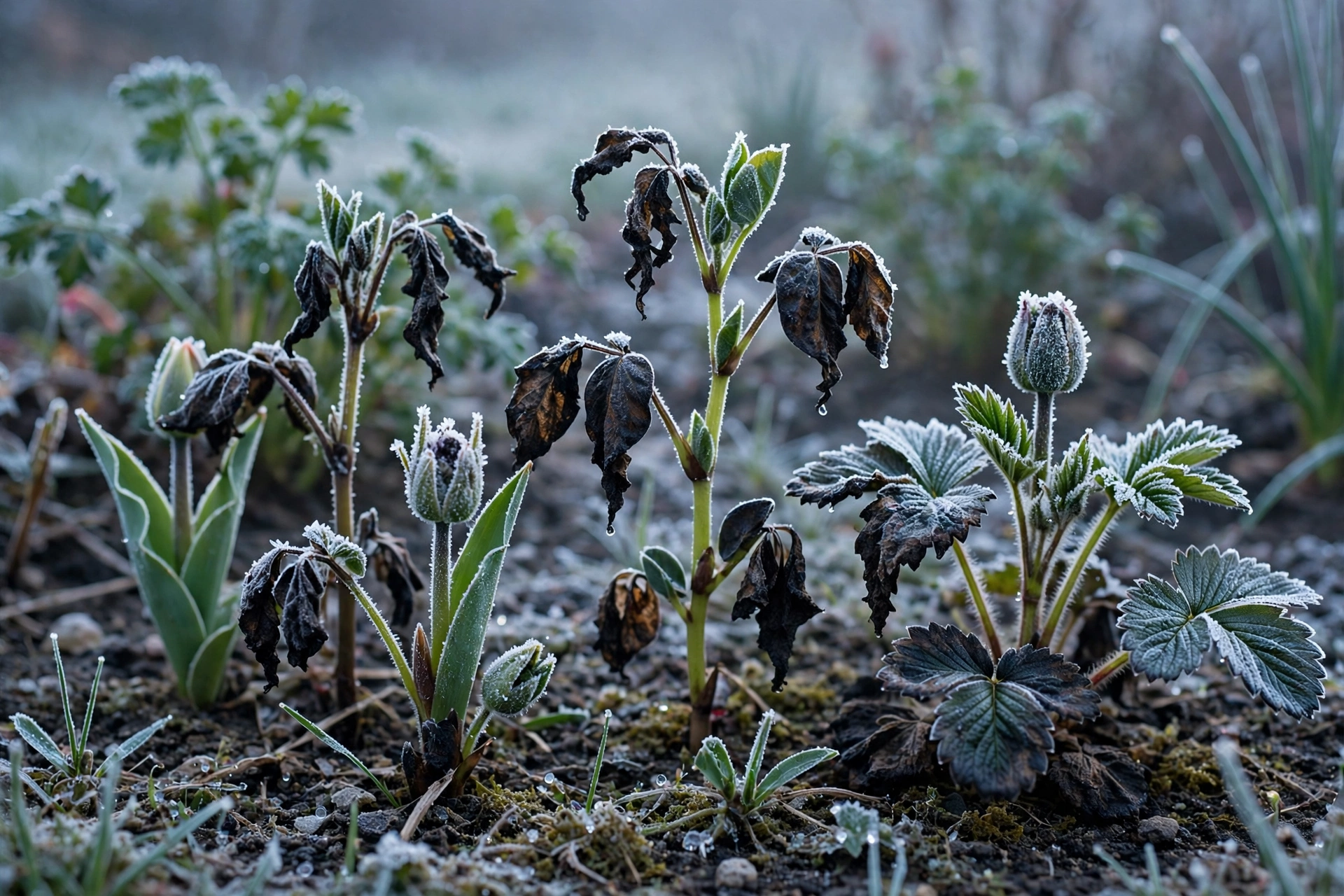
Spring frost is one of the most frustrating problems in the garden. After a mild spell, buds open, leaves unfurl, and blossom appears — and then a single cold night can blacken new growth, kill flowers, and set a tree or plant back for weeks. The damage can look sudden and severe, even when the plant itself is still alive. Most established trees and plants recover if you recognise the signs and give them time and gentle care.
The hardest part of frost damage is the waiting. The morning after a frost, everything looks ruined — black leaves, limp blossom, bent shoots — and the urge to cut it all away is strong. Resist it. Much of what looks dead is only damaged at the tips, and the plant has spare buds further back that will push out new growth within weeks. Patience in the first week after a frost is the single most useful thing you can do.
Try it: Try the free Plant Identifier on aitreeidentier.site — upload a clear photo of the damaged leaves or buds if you are unsure what plant has been affected.
What Is Spring Frost Damage?
Frost damage happens when temperatures drop below freezing after new growth has started. Tender young leaves, buds, and flowers contain a lot of water, and when that water freezes, ice crystals damage the cell walls. When the tissue thaws, it collapses, turns dark, and dies. Hard frosts and frosts after warm, sunny days are the most damaging. Frost pockets — low-lying areas where cold air collects — are often hit hardest.
There are two kinds of frost to know about. A radiation frost happens on clear, still nights, when heat escapes from the ground into the sky and cold air settles in low spots — this is the frost you can often prevent with a simple cover. An advective frost comes with a cold wind and a mass of freezing air, and it is far harder to protect against. Knowing which kind is forecast helps you decide whether covering will help or whether you should simply wait it out.
Signs of Spring Frost Damage
Leaves turn black, brown, or limp
The most common sign is new leaves that turn black or dark brown within a day or two of a cold night, then feel limp, papery, or wet. Leaf edges may curl, shrivel, or look scorched. Older, tougher leaves are often untouched, while the youngest growth is hit hardest.
Buds and blossom fail or drop
Flower buds that have been frosted often turn brown, fail to open, or drop off. Open blossom may look limp and discoloured, then fall within a few days. On fruit trees this can mean a poor harvest that year.
Young shoots wilt and bark splits
Soft new shoots may wilt, bend over, and die back from the tip. Dieback is usually limited to the outer growth, and the tree will push out new shoots from buds further back. In a hard frost, bark on young trees can split vertically, especially on the side facing the morning sun.
Which Plants Are Most at Risk?
Tender and early-flowering species are most vulnerable. Fruit trees such as apricot, peach, cherry, and plum flower early and can lose blossom to a single frosty night. Tender garden plants, including annuals and newly planted shrubs, are at risk too, especially if planted out too early. Established, hardy trees are usually safest: their buds open later and they have energy stored in their roots.
Position matters as much as species. Plants in frost pockets — low-lying hollows, the bottom of a slope, or a walled corner where cold air collects — are hit far harder than the same plants on a gentle slope or near a wall that radiates stored heat. If a particular spot in your garden is frosted year after year, use it for hardy plants and keep tender ones on higher, more sheltered ground.
Step-by-Step: How to Help Plants Recover
Step 1: Wait before you judge the damage
Do not rush to prune or remove a plant the morning after a frost. Damage often looks worse than it is, and some limp leaves may recover as the day warms up. Wait at least a week — longer for trees — before deciding what is truly dead.
Step 2: Check what is alive with a scratch test
Once a week has passed, test suspect branches by scratching a small patch of bark with your thumbnail. Green, moist tissue underneath means the branch is alive; brown, dry tissue means it is dead.
Step 3: Remove only clearly dead growth
Prune back to living wood, cutting just above a healthy bud or side branch. Remove blackened leaves and dead shoots so the plant can put its energy into new growth. Dispose of anything diseased rather than composting it.
Step 4: Water, mulch, and protect against the next frost
Frost-damaged plants need steady moisture to regrow, but not waterlogging. Water the soil if it is dry, and add a light mulch around the base to keep roots warm. Do not feed the plant straight after a frost. Cover tender plants overnight with fleece, remove it in the morning, and move containers to a sheltered spot.
Preventing Frost Damage Next Time
Prevention starts with timing: do not plant tender plants outside until after your last expected frost date, and harden off indoor seedlings gradually before transplanting. Keep fleece, old sheets, and cloches handy in spring so you can cover vulnerable plants quickly when a frost is forecast — covering in the evening, before temperatures drop, works far better than covering after the frost has already formed. Watering the soil before a frosty night also helps, because moist soil holds more heat than dry soil and releases it slowly overnight.
Common Mistakes Beginners Make
- Pruning too soon after a frost. Cutting back growth before you know what is truly dead can remove living buds.
- Feeding a frost-damaged plant straight away. Fertiliser forces soft new growth that is easily damaged by the next frost.
- Assuming a blackened plant is dead. Many trees and shrubs lose their first leaves to frost and regrow from buds further back.
- Leaving covers on during the day. Covers left on in sunshine can overheat plants, so remove them each morning.
- Planting tender plants out too early. A warm week in early spring is not a guarantee — check the last frost date.
FAQ
Will a tree recover from spring frost damage?
In most cases, yes. Established trees usually regrow from buds further back on the branch, even if the first leaves and blossom are lost. Fruit may be reduced that year, but the tree itself usually survives.
Should I prune frost-damaged leaves straight away?
Wait at least a week, then remove only growth that is clearly dead. Use the scratch test to check whether a branch is alive before you cut it.
Can I save frosted blossom on a fruit tree?
Once blossom has been frosted and turned brown, that flower will not recover. The tree may still produce some fruit from later flowers, and protecting it on future frosty nights will help.
How cold does it have to be to cause frost damage?
Damage starts at around 0°C for tender growth, but the exact temperature depends on the plant. Hardy buds may survive a light frost, while open blossom can be killed by just a degree or two below freezing, especially if the cold lasts for several hours.
Can I protect blossom with water?
Commercial growers sometimes spray water over blossom on frosty nights, because freezing water releases a small amount of heat. This is difficult to do well at home and can damage plants if done wrongly, so a fleece cover is a simpler and safer option for most gardeners.
Conclusion
Spring frost damage looks alarming, but it is rarely the end of the story. Most established trees and plants recover by regrowing from healthy buds further back. Wait before you prune, test what is alive, remove only dead growth, and protect tender plants when the next cold night is forecast.
Safety disclaimer: Never eat or use any part of a tree or plant, or treat a plant problem, based on AI identification alone. AI results are guidance only — consult a local arborist or plant expert before pruning large limbs, applying treatments, or handling plants that may be toxic, especially near children, pets, or food crops.