
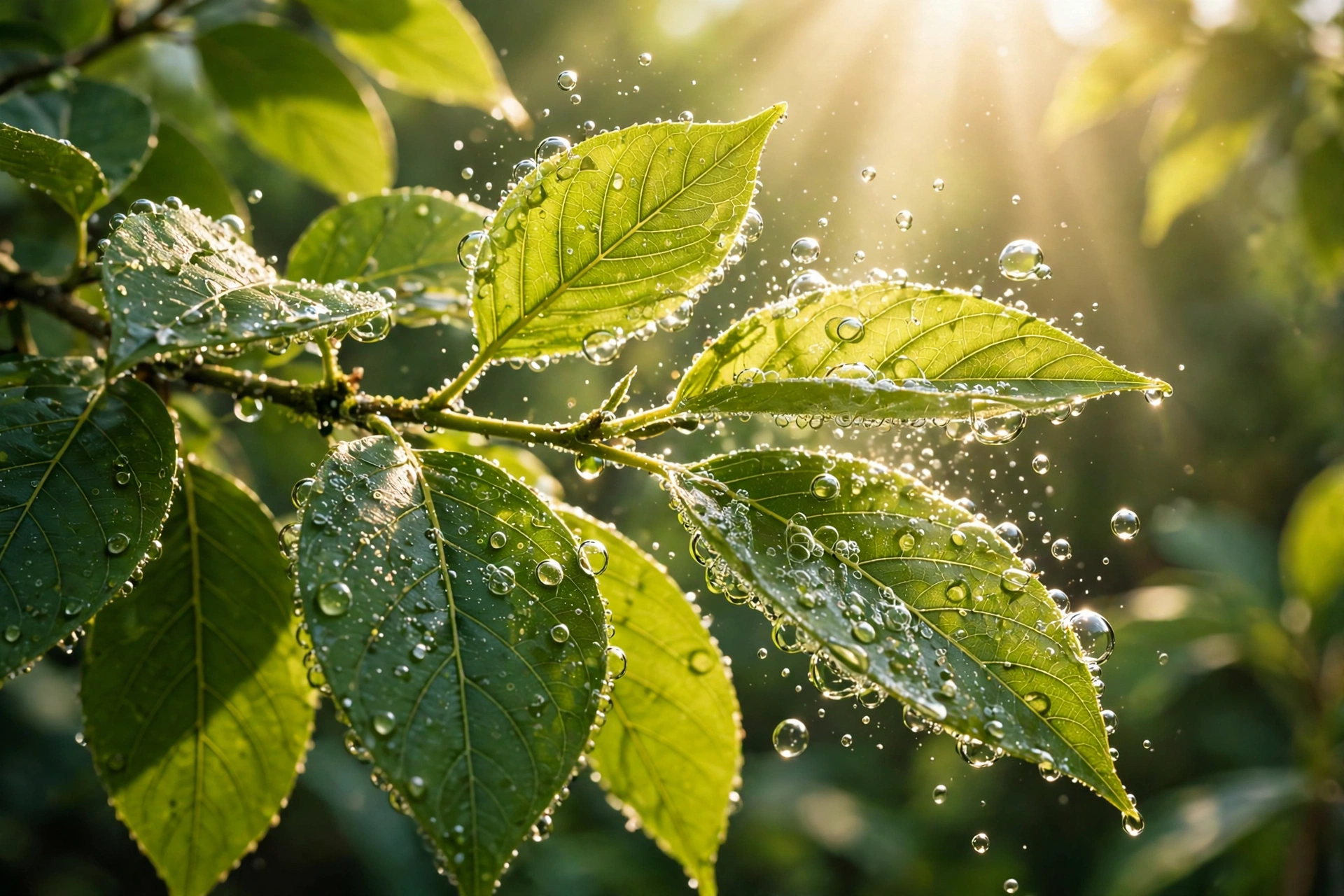
Introduction: The Quiet Engine of Life
Every green plant is a small solar-powered factory. It takes sunlight, water, and carbon dioxide from the air and turns them into food and oxygen. This process is called photosynthesis, and it supports almost all life on Earth. Without it, there would be no bread, no forests, no fresh air as we know it, and no garden harvest to enjoy.
What Is Photosynthesis?
Photosynthesis means "putting together with light." In simple terms, a plant uses light energy to build sugars from water and carbon dioxide. Those sugars are food. The plant uses some immediately for energy and growth, stores some as starch, and uses some to build new leaves, stems, roots, and flowers. Oxygen is released as a by-product, which is the oxygen we breathe.
C3, C4, and CAM: Three Ways to Photosynthesise
Not all plants photosynthesise in the same way. Most trees, shrubs, and temperate crops use the C3 pathway, the original and simplest version, which works well in cool, moist conditions but loses efficiency in heat, because the leaf must open its pores to take in carbon dioxide and loses water at the same time. In hot, bright climates, a second group, the C4 plants, has an advantage. Maize, sugarcane, and many tropical grasses use an extra chemical step that concentrates carbon dioxide inside the leaf, letting them photosynthesise faster while losing less water.
A third group, the CAM plants, takes a different approach again. Succulents such as cacti, agaves, and many orchids open their pores at night, when the air is cool and humid, store the carbon dioxide as an acid overnight, and release it for photosynthesis during the day with their pores closed. This is why succulents thrive in deserts where other plants would dry out. Together, these three pathways show how the same basic chemistry has been tuned by evolution to fit very different climates.
Where Photosynthesis Happens
Inside the Leaf
Most photosynthesis happens in leaves, although green stems can help too. A leaf is designed for the job. Its broad, flat surface catches sunlight, while tiny pores called stomata, usually on the underside, let carbon dioxide in and oxygen and water vapour out.
Inside leaf cells are tiny green structures called chloroplasts. They contain a pigment called chlorophyll, which absorbs light, mainly blue and red light, and reflects green light. That reflected green light is why leaves look green to our eyes. In autumn, when chlorophyll breaks down, other colours that were hidden underneath become visible.
What Plants Need to Photosynthesize Well
1. Light
Light is the energy source. Most plants grow best in bright, indirect light or several hours of direct sun, depending on the species. Too little light leads to pale, stretched growth as the plant reaches for more. Too much harsh sun can scorch leaves, especially for shade-loving plants.
2. Water
Water is a raw material for photosynthesis and also keeps the plant cool and upright. Without enough water, stomata close to prevent water loss, carbon dioxide cannot enter, and photosynthesis slows down. That is why drought-stressed plants stop growing even on sunny days.
3. Carbon Dioxide
Carbon dioxide enters through stomata. In a normal garden, there is usually enough in the air. Indoors, good air circulation helps, but you do not need to add carbon dioxide for ordinary houseplants.
Photosynthesis works best in a moderate temperature range for each species. Very cold or very hot conditions slow it down. Minerals such as nitrogen, magnesium, and iron support chlorophyll and healthy leaves, which is why balanced feeding and healthy soil matter.
How to Use This Knowledge in Your Garden: Step by Step
1. Identify the plant first. Different plants need different light levels. Use the Plant Identifier on aitreeidentier.site to confirm what you are growing, then look up its light and water needs. 2. Match light to the species. Put sun-loving vegetables and herbs in the brightest spot. Keep ferns and many houseplants in bright, indirect light. 3. Water at the roots, in the morning. Watering early gives the plant water for the day's photosynthesis and lets leaves dry before night, reducing disease. 4. Keep leaves clean. Dust on indoor leaves blocks light. Wipe large leaves gently with a damp cloth every few weeks. 5. Do not overcrowd. Space plants so light reaches lower leaves and air can move between them. 6. Watch for signs of stress. Yellowing, leggy stems, or slow growth often point to light, water, or nutrient problems. Change one thing at a time and observe for two weeks.
Common Mistakes
Thinking more sun is always better. Many plants burn in intense midday sun. Check the plant's natural habitat before moving it to a south-facing window or open bed.
Watering on a fixed schedule instead of checking soil. Soil dries at different rates in sun, wind, and shade. Check the top few centimetres before watering.
Assuming soil alone feeds a plant. Fertilisers help, but they cannot replace light. A plant in a dark corner will not thrive no matter how much you feed it.
Ignoring seasons. Growth naturally slows in winter when light is weaker. Do not expect the same growth rate all year, and reduce watering and feeding accordingly.
Photosynthesis in Your Garden: Light, Shade, and Seasons
Understanding photosynthesis changes how you place plants. Shade-tolerant species such as hostas and ferns have large, thin leaves packed with chlorophyll to catch every scrap of light, while sun-lovers have smaller, thicker leaves that can handle intense light without damage. A plant moved suddenly from shade into full sun can scorch, because its leaves are not built for the change, which is why hardening off seedlings gradually is so important.
Light quality matters as well as brightness. In woodland, plants exploit sunflecks, brief patches of direct sun that move across the forest floor, and some species can switch their photosynthesis on and off in seconds to catch them. In winter, low sun angles mean even a north-facing spot may receive some direct light, while in summer the same spot is shaded. Watching how light moves through your garden across the seasons is the cheapest way to put the right plant in the right place.
Frequently Asked Questions
Do plants photosynthesize at night?
No. Photosynthesis needs light, so it stops at night. At night, plants respire, using some stored sugars for energy, just as we do. This is normal and healthy.
Why are some leaves not green?
Some plants have red, purple, or variegated leaves because they contain other pigments as well as chlorophyll. They can still photosynthesize, although heavily variegated plants often grow more slowly because they have less chlorophyll.
Can artificial light replace sunlight?
Yes, for many plants, if the light is bright enough and the right spectrum. Grow lights are useful indoors, especially in winter, but they must be close enough and on for enough hours each day.
Why do plants grow towards a window?
This is phototropism, driven by the hormone auxin. When light comes from one side, auxin gathers on the shaded side of the stem, making those cells grow longer and bending the stem towards the light. Rotating houseplants regularly keeps them growing evenly instead of leaning.
Do variegated leaves photosynthesise less?
Yes. The white or cream patches on variegated leaves contain little or no chlorophyll, so they cannot photosynthesise. That is why variegated plants usually grow more slowly than their plain green forms and need brighter light to produce the same amount of food.
Conclusion
Photosynthesis is simple at heart: light, water, and air become food and oxygen. When you understand that, gardening becomes easier. Give each plant the light it evolved for, keep its water steady, keep its leaves clean and healthy, and let the seasons guide your care. The plant will do the rest, quietly turning sunlight into growth, shade, food, and fresh air. Start by identifying what you are growing, observe how it responds, and adjust one thing at a time.
Try it: Try the free Tree Researcher on aitreeidentier.site — identify a tree from a photo and learn more about the science behind it.
Safety note: This guide is for general learning only. Never eat or use a plant based on AI identification alone, and consult a local expert before using any plant for food or medicine.